This nursery at Faridabad, by Thinkcutieful is high in style

This nursery at Faridabad, by Thinkcutieful is high in style

Delhi-based Thinkcutieful believes that when you bring your bundle of joy to a room coated in an original colour scheme, fun features splashed around, and without having to think twice about your baby’s safety, you are bound to have a great-looking nursery and a new arrival grinning from ear to ear. Thinkcutieful, a mother and baby design company, is the brainchild of Ms. Romilla Tewari, a pioneer in the field of creating creative environments for children. 
This nursery at Faridabad, by Thinkcutieful is high in style

This nursery at Faridabad, by Thinkcutieful is high in style 1


There’s so much more Thinkcutieful does with a nursery to make it stylish, sensory, fun and functional.


Delhi-based Thinkcutieful believes that when you bring your bundle of joy to a room coated in an original colour scheme, fun features splashed around, and without having to think twice about your baby’s safety, you are bound to have a great-looking nursery and a new arrival grinning from ear to ear. Thinkcutieful, a mother and baby design company, is the brainchild of Ms. Romilla Tewari, a pioneer in the field of creating creative environments for children.
This nursery at Faridabad, by Thinkcutieful is high in style 3


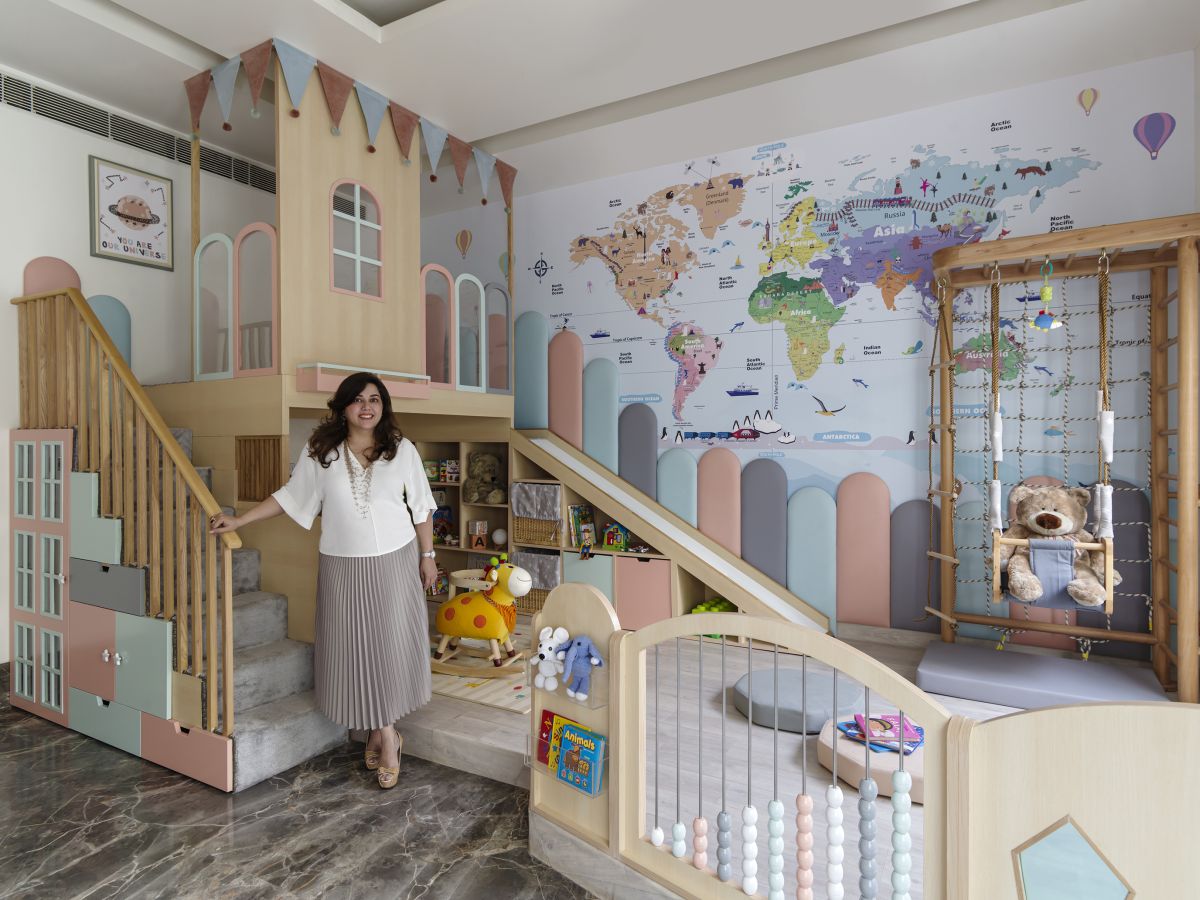
With a focus on functionality, clean lines and a commitment to safety, Thinkcutieful designed a stylish room in Faridabad for a newborn baby boy. The interests and passion of the parents — love for reading and traveling — dictated the aesthetics and sensibilities behind this modern and minimalist nursery décor.
 

This nursery at Faridabad, by Thinkcutieful is high in style 5


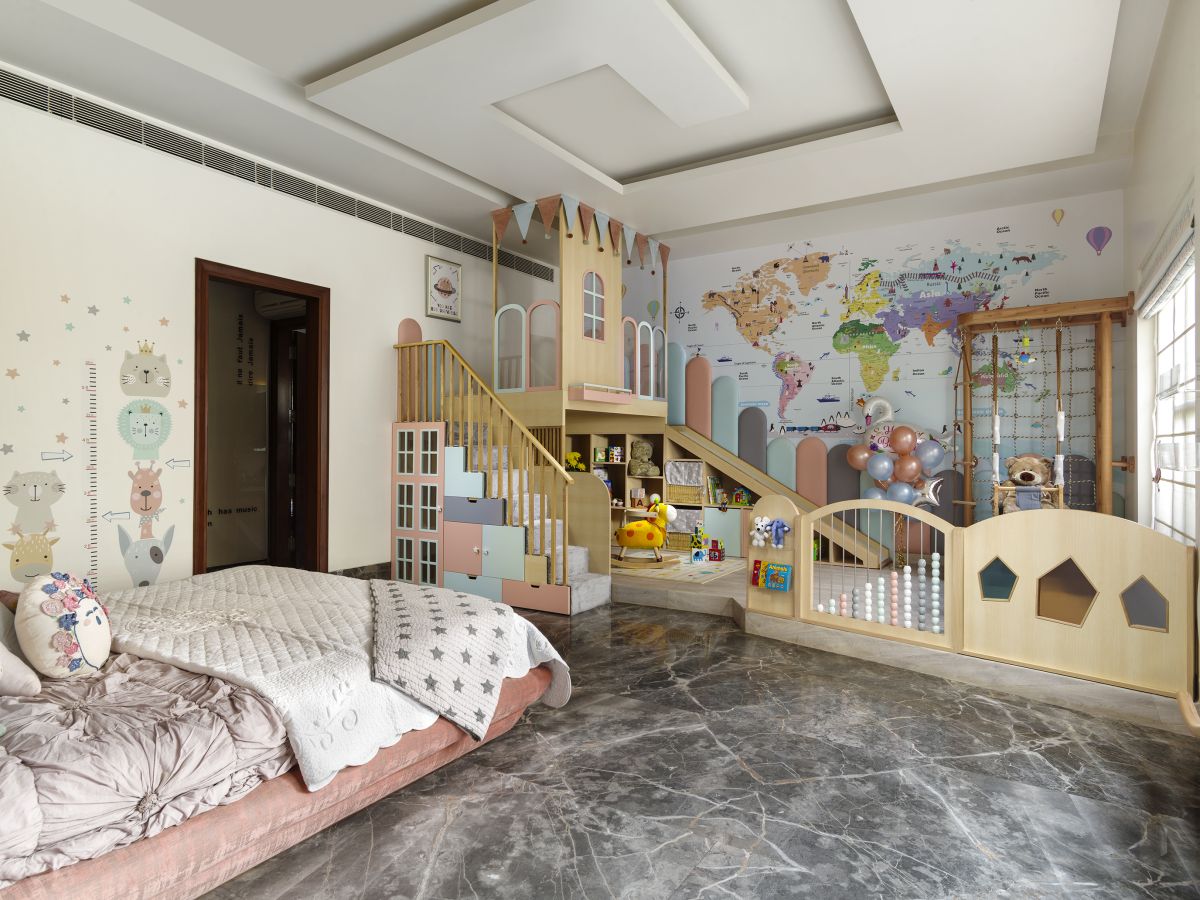
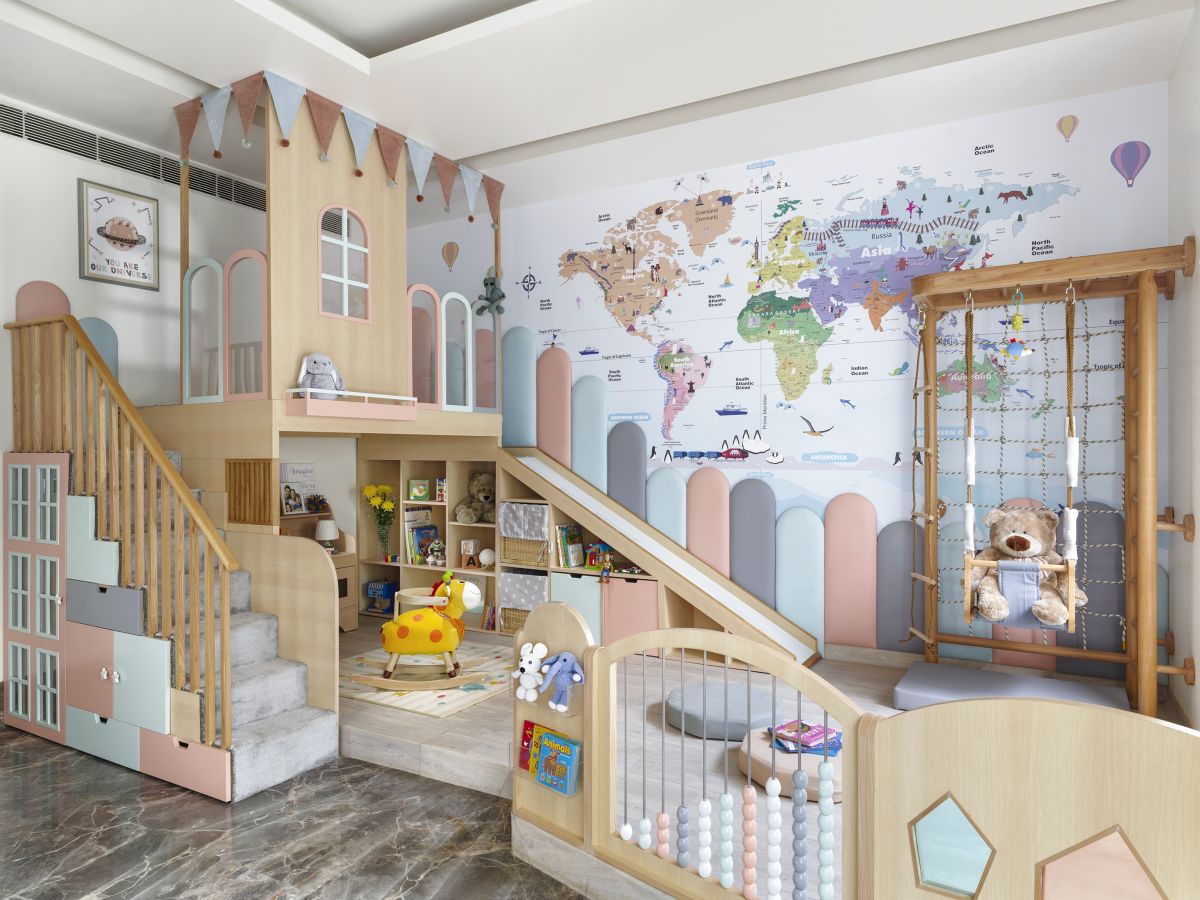
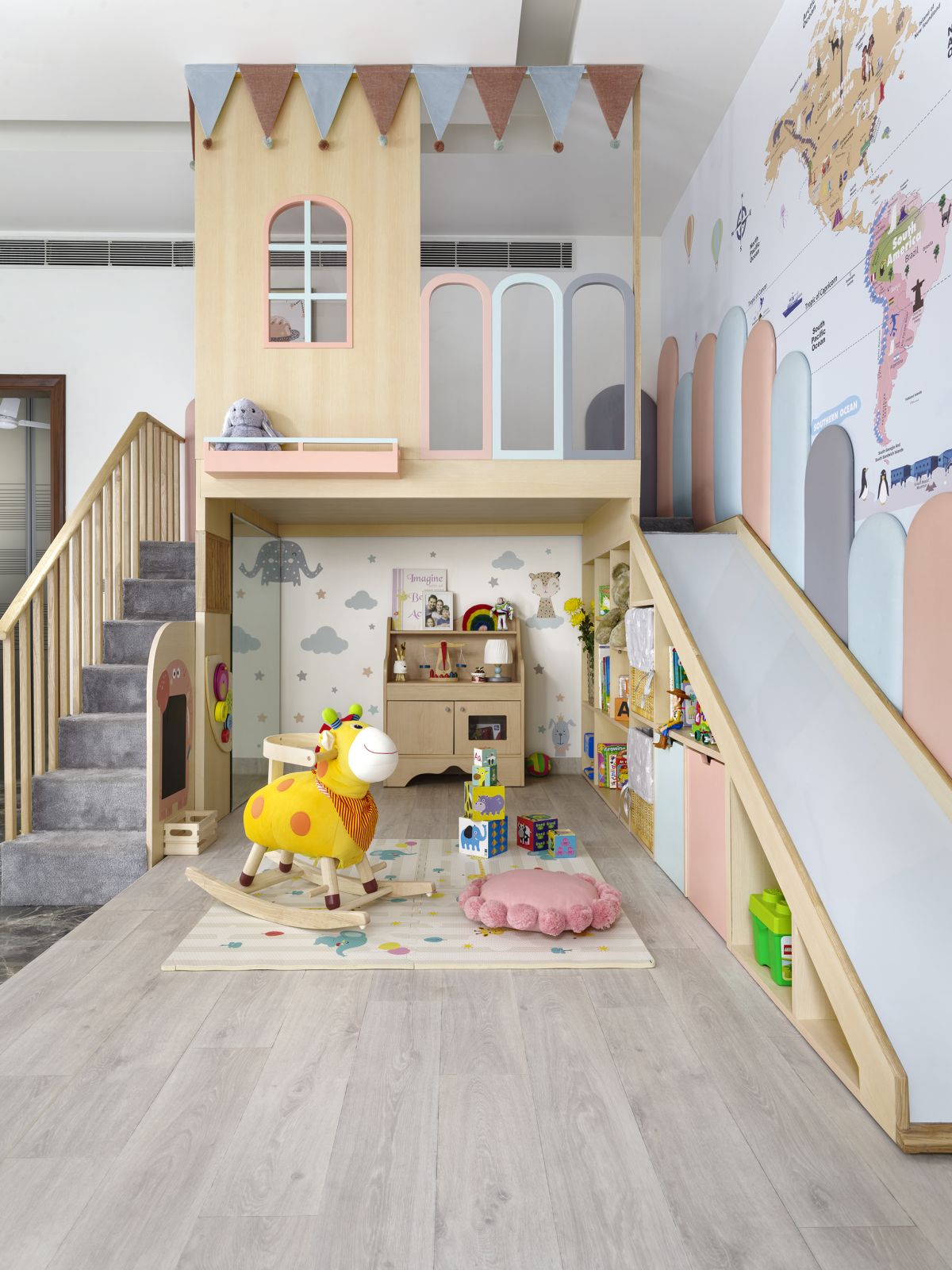
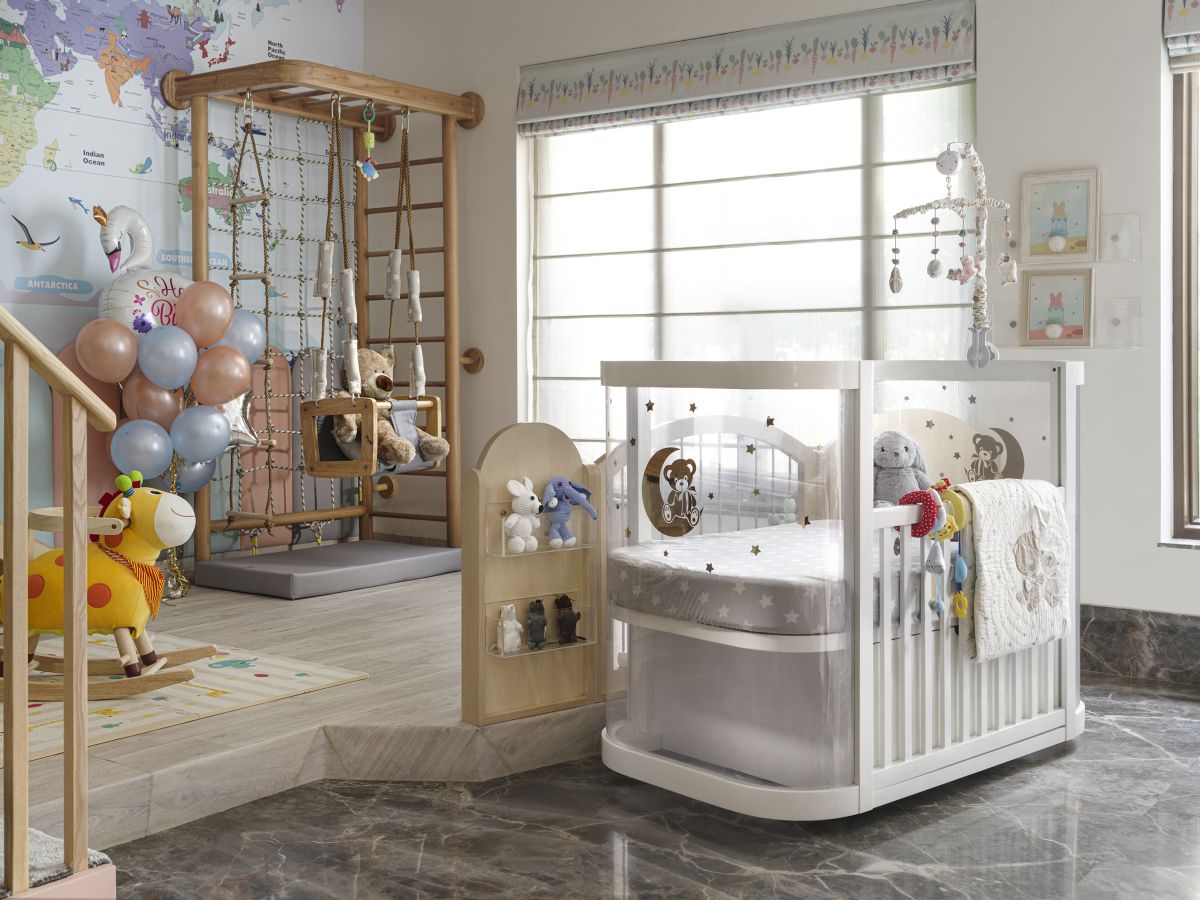
The welcoming space meets the needs and comfort of a newborn but goes beyond basics with a double bed, a large elevated play area, multiple storage spaces and other paraphernalia suitable for a toddler. The room will remain the baby’s safe haven even when he begins to crawl, reach out and touch almost everything. This stemmed from the idea that the little boy’s routines not get disrupted with a room redesign within a year of his arrival.
 

This nursery at Faridabad, by Thinkcutieful is high in style 7


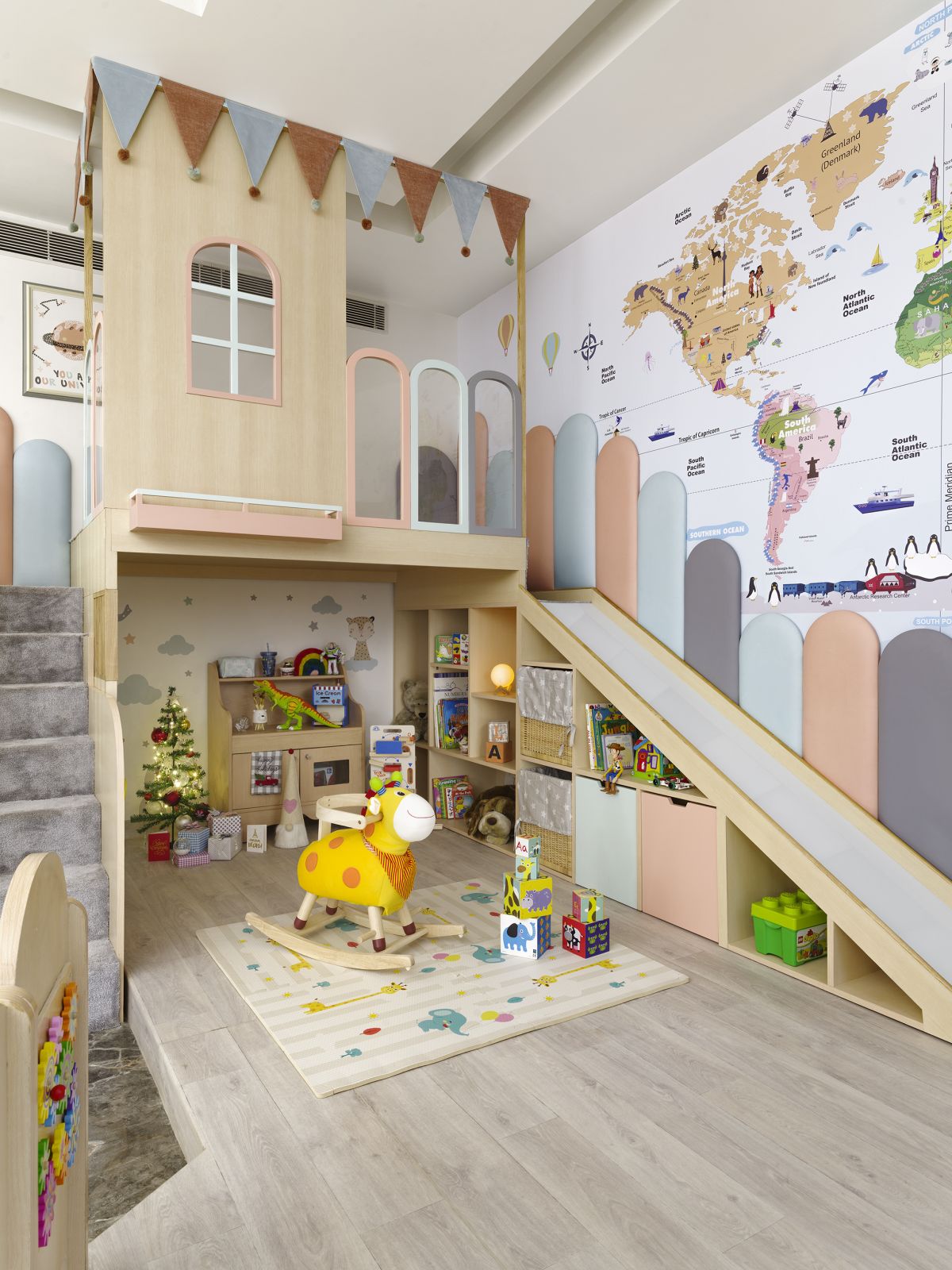
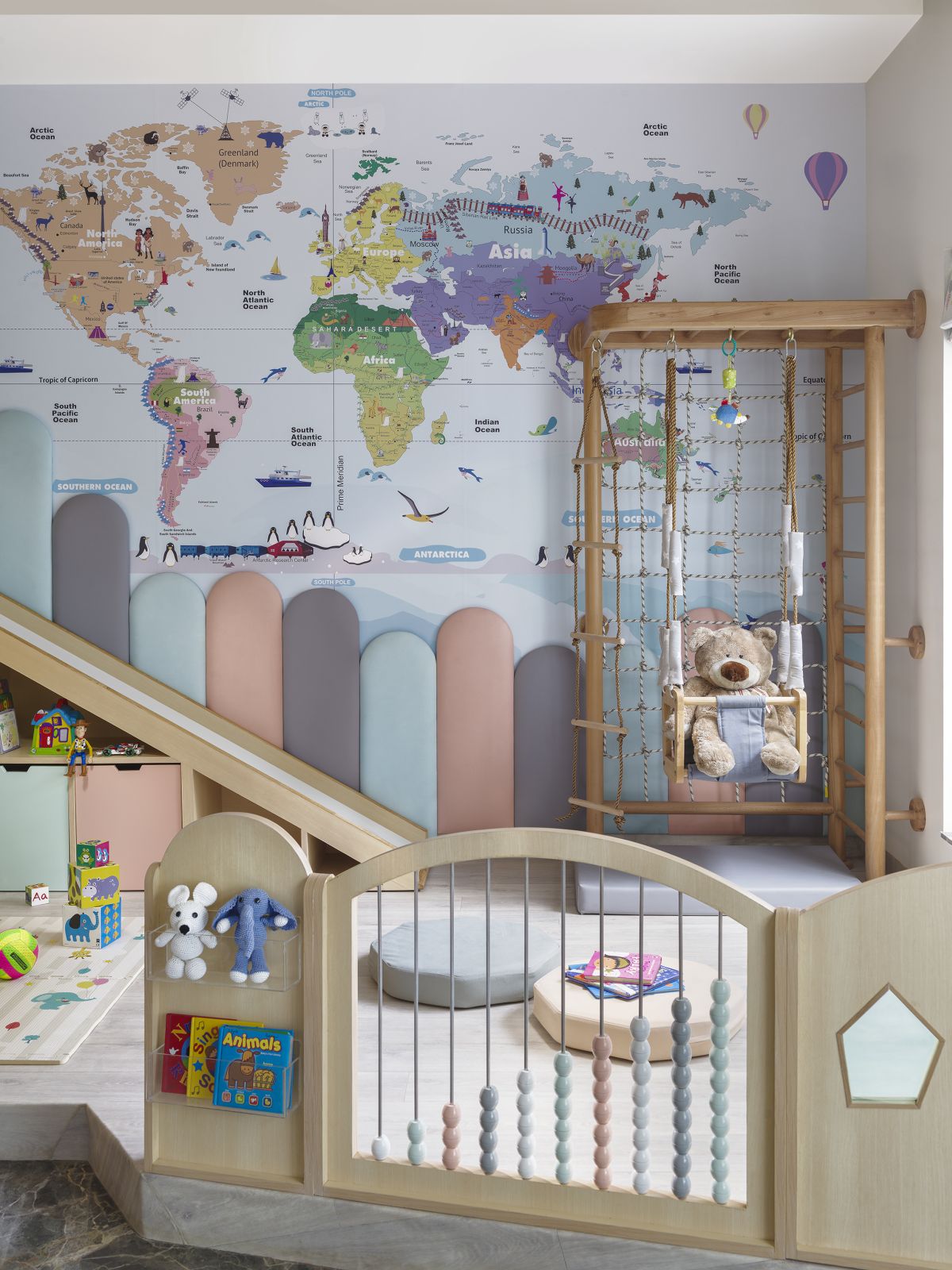
Many stimulating features are placed aesthetically around the room. There are touch and feel sensorial sections on walls as well as décor components that are essential for the gross motor and fine motor skill development of the child. Keeping them on the wall ensures there is ample space to crawl, walk and fall without getting hurt. And, lesser clutter around the room is always a boon. Among the various wall play facets in the room is a holding rail on a lower wall for the baby to use while cruising.
 

This nursery at Faridabad, by Thinkcutieful is high in style 9


Ample light streams in through the big windows into the nursery highlighting the graphic wallpaper with a child-friendly world map that won Thinkcutieful the Gold Mom’s Choice Award, USA for family-friendly educational products in 2019. Some wall space has been left bare for the family to add curios from their travels together.
 

This nursery at Faridabad, by Thinkcutieful is high in style 11


The play area with a slide, a swing and a climbing zone are other elements to release the toddler’s pent-up energy. Under the stairs area has been converted into pull-out storage space for books and toys.
 

This nursery at Faridabad, by Thinkcutieful is high in style 13


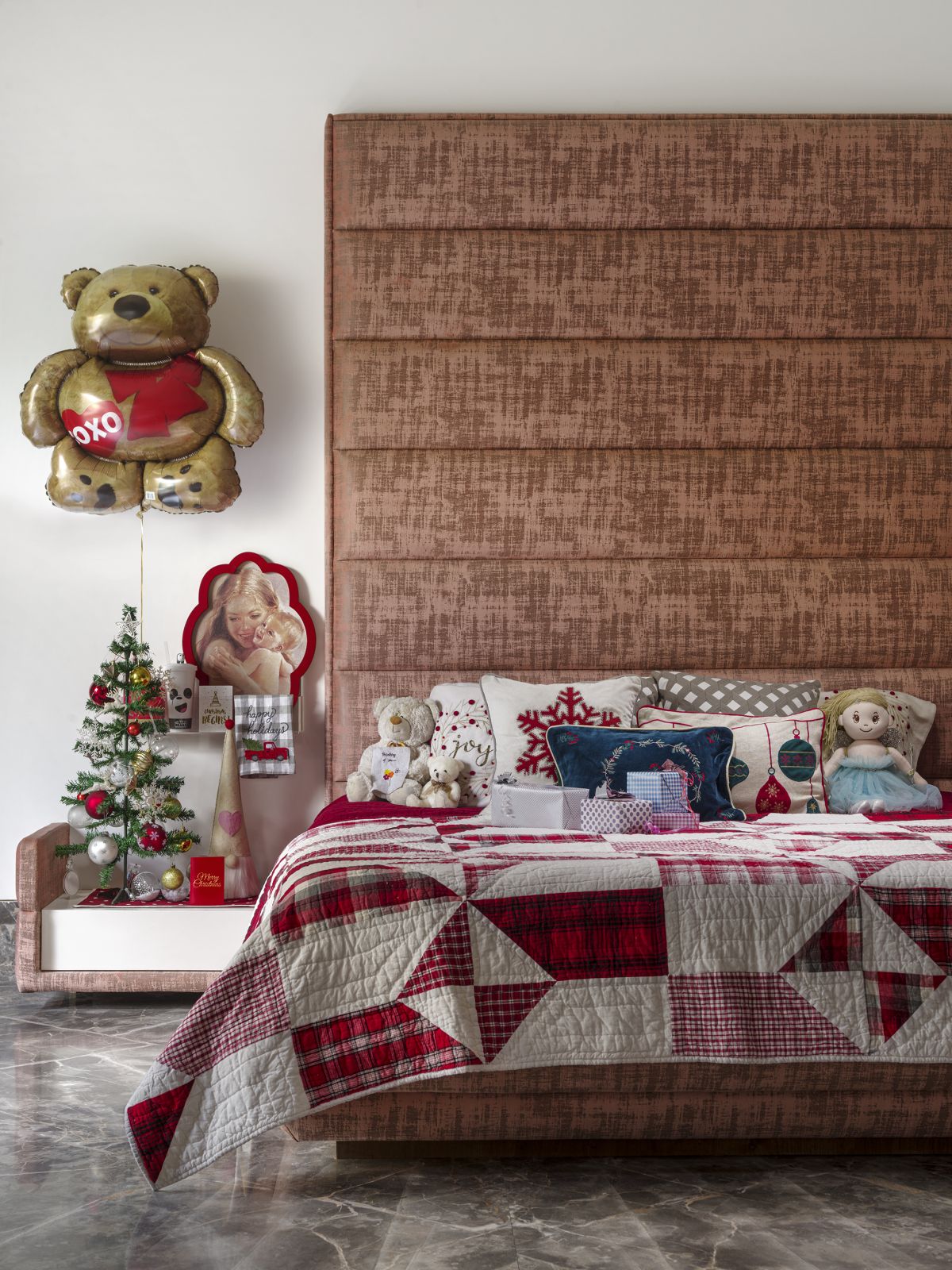
The existing double bed in the room was baby proofed by completely wrapping it in fabric. Re-upholstering it ensured the bed was free from any sharp wooden corners. The warm pastel and neutral colour scheme on the walls give the room a trendy and modern feel, which can be easily accessorized with bold prints, exotic aqua or delicate peaches to keep the child mesmerized or as per the mood of the day.

 

This nursery at Faridabad, by Thinkcutieful is high in style 15

Leave a Reply

Your email address will not be published. Required fields are marked *

This site uses Akismet to reduce spam. Learn how your comment data is processed.

Recent

Folles de la Salpétrière, (Cour des agitées.) (Madwomen of the Salpétrière. (Courtyard of the mentally disturbed.))

Gender. Hysteria. Architecture. | “How Did a Diagnosis Learn to Draw Walls?”

Did these spaces heal women or teach them how to disappear? Aditi A., through her research study as a part of the CEPT Writing Architecture course, in this chapter follows hysteria as it migrates from text to typology, inquiring how architectural decisions came to stand in for care itself. Rather than assuming architecture responded to illness, the inquiry turns the question around: did architecture help produce the vulnerability it claimed to manage?

Read More »
Gender, Hysteria, and Architecture - The Witch Hunt. Henry Ossawa Tanner. Source - Wikiart

Gender. Hysteria. Architecture. | “When Did Care Become Confinement?”

Was architecture used by society to spatially “manage” women and their autonomy? Aditi A., through her research study as a part of the CEPT Writing Architecture course, examines the period before psychiatry, when fear had already become architectural, tracing how women’s autonomy was spatially managed through domestic regulation, witch hunts, informal confinement, and early institutional planning.

Read More »

A Modernist’s Doubt: Symbolism and the Late Career Turn

Why did acclaimed modernist architects suddenly introduce historical symbolism like arches, decorative elements, and other cultural references into their work after decades of disciplined restraint? Sudipto Ghosh interrogates this 1980s-90s symbolic turn as a rupture in architecture, questioning whether this represents an authentic reconnection with content and memory, or is it a mere superficial gesture towards absent meanings. Drawing from Heidegger’s analysis of the Greek temple, he distinguishes two modes of architectural representation, ultimately judging that this turn was a nascent rebellion against modernism that may have failed to achieve genuine integration of context, material, and memory.

Read More »
Ode to Pune - A Vision. © Narendra Dengle - 1

The City That Could Be: An Ode to Pune

Narendra Dengle, through his poem written in January 2006, presents a deep utopic vision for Pune—what the city could be as an ecologically sustainable, equitable city that balances nature with development. He sets ambitious benchmarks for prioritizing public transport over cars, preserving heritage, addressing slum rehabilitation humanely, and empowering local communities

Read More »

Featured Publications

New Release

We Are Hiring

Stories that provoke enquiry into built environment

www.architecture.live

Subscribe & Join a Community of Lakhs of Readers