With a growing population in Nashik city we find a need of a place where people can come together and develop our cities in terms of social, cultural as well as commercial hub.
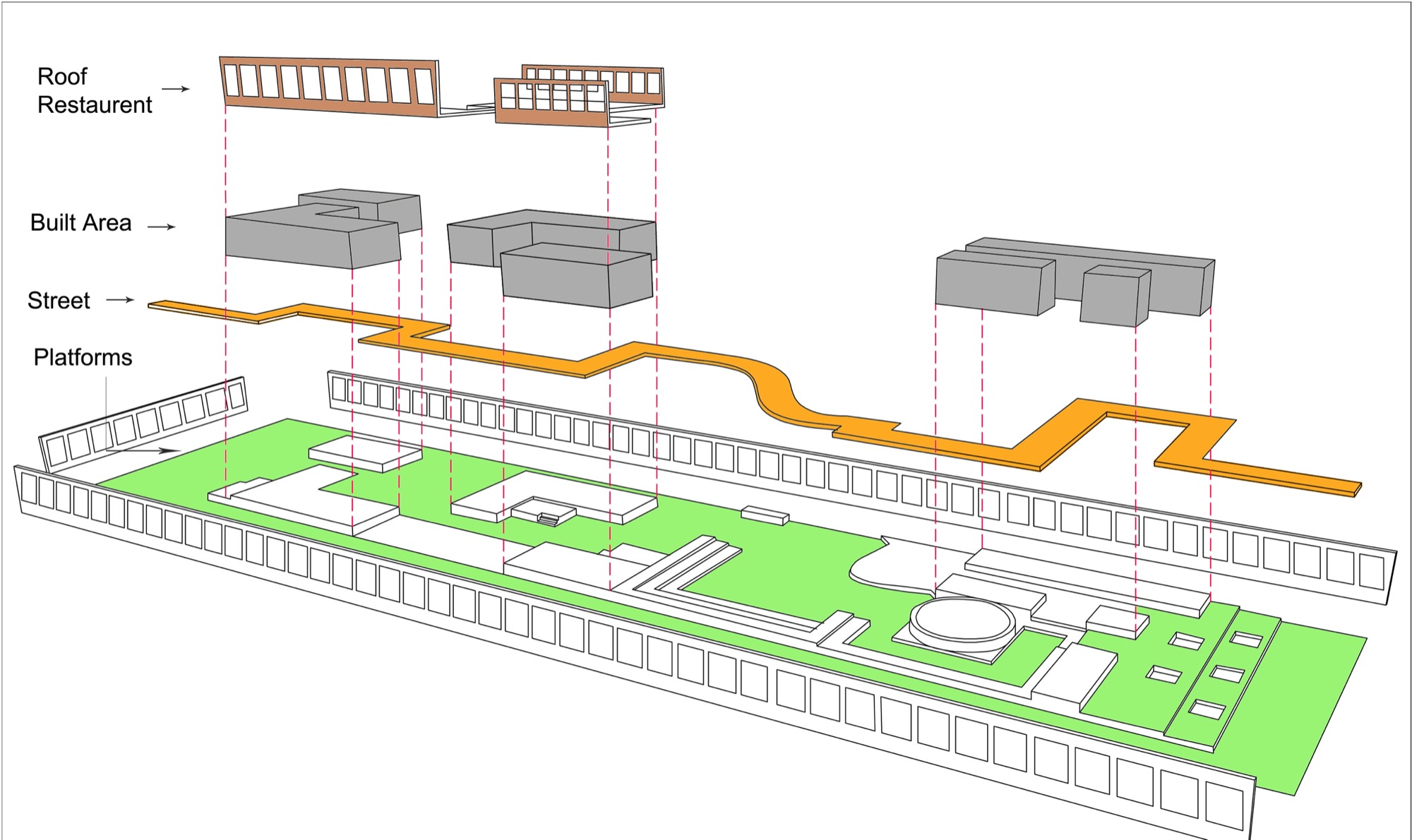
The design approach is about creating a socio-commercial hub in Nashik at collage road. Collage road itself has been the heart of the city and the place for youth generation, it provides a favourable condition for the Design where people from entire city can participate at this place. The design also focuses on creating an identity of the space which can also enrich the user experience through the public activities along with architectural intervention’s.
Within the clutter of the materialistic approaches in the society the design provides different kind of public spaces which provide a good platform for intellectual interactions, art ,cultural activities, etc. for all the segments of the society. Here people will feel belongingness and connected to such place and to each other. These places becomes a part for recreational activities and contribution in the social development of the healthy community. Such public gathering spaces hence help in creating the “Landmarks and Active Areas” in the social and community fabric. Also this design focuses on improving the city infrastructure as the site is just not clubbed with Public market activities but it addresses and accommodates functional activities combined with recreational and educational activities. For example, Semi-socio cultural market that houses food or street shopping as well as joyous recreational activities.
The design process is about exploring the site organically and within this organic movement we discover different pauses with all new essence. The zoning of the site is defined from public activities to private activities, Morning to Night activities and all kind of activities that can be absorbed within this place like floating, temporary and the permanent activities. The activities are organised in such a way that the interdependent activities response to the economic growth. This organic character of the market creates good financial implication for small traders and entrepreneurs as well as consumer. This will not only support small business development initiatives, but also provide great improved consumer experience. The community can become an extended family and life here becomes more meaning full.
Requirement’s and Activities which could be generated on site –
OPEN STALLS – Festival stall’s, Organic Vegetable Vendor, Tea Stall, Retailer stalls
EXHIBITION SPACES – Inside street and Open space, Close Space.
MEETING ROOM – Formal and Informal Spaces
GAME ZONE AREA – Out Door games (Open space), Digital, Snooker, Board Game’s.
AMPHITHEATER – Movie Screening, Workshop, Performance, Festival Celebration, Youth Fest
CAFES – Theme Cafes, Liberary+Café, Music + Café etc
RESTAURANT – Family and Friends Spaces
TOILET
Images:


Dawings