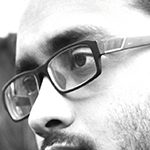
Studio Emergence is a design studio found by two architects, Seeja Sudhakaran and Khushbu Davda, with a penchant for geometry in design and Parametric Design Approach. They are a network of architects & designers specializing in algorithmic & parametric design strategies. They also have a research cell wherein they collaborate with designers & artists from across the globe, providing parametric consultancy to different architecture firms and direct solutions to end users and developers. Providing data-driven design solutions and integrating these computation based technologies to the existing workflow are one of the strong suits where Studio Emergence strives to increase the overall efficiency of the project. Along with practicing architecture and planning, they also try and create various installations and products based on parametric design. Studio Emergence believes in being hands on when it comes to exploring different fabricating techniques and loves to work with all digital fabrication processes. Most of their works are derived from inspirations from nature and Biomimicry or strong geometric forms.
Starting their own practice has been a very organic procedure for them, says Seeja and Khushbu. They are very particular about experimenting with Parametric Architecture and passionate about material research and prototyping, and frequently conducts workshops and seminars on the same. “The studio gradually came into being from all the work we started taking up during our experimentation phase. It was the natural next thing to do for us and it was a blessing to see our efforts take fruition.”
In this journey, management of office has been the biggest challenge. This is one thing we never learn in any design school, but we need to do on a daily basis turns out to be more demanding than we think it will be”, says Khushbu. Be it funds, clients, or the day to day workings of the studio, managing is a whole new ball game, they say. “The biggest challenge was for us to strike a balance between being the principal architects and at the same time managing everything around the studio.
When it comes to the moments of success, they believe that being a young and vibrant practice has been a huge positive point. Having bagged some prestigious High Rise Residential Building contracts, they are currently engaged with working upon and completing these new opportunities.
Discussing their biggest achievement, they gleefully agree that co-winning the design competition for the Andheri Metro Station has been one of the biggest achievements for the studio.
We worked very hard as a team and to win such a prestigious award from the MMRDA was a moment of gratitude for us. The competition had a lot of giants in the industry participating along with us, we were genuinely humbled to have won amidst such amazing architects and designers.
– on Winning the design competition for Andheri Metro Station
“We’re an experimental design studio with projects ranging from furniture, urban design, high rises to Infrastructure, so to be able to design in different scales and learning from each one of them will be our primary goal.” The Studio has always been keenly focused on material research and big on innovation. For the principals, design is a very process based activity and every detail and plan is an outcome of a carefully designed process based path.
Our studio already has a clear design language, wherein we keep pushing the boundaries of design and digital fabrication. We hopefully would grow on the same path. We are also concentrating on collaborative projects with people from tech and engineering backgrounds since our design philosophy revolves around data-driven solutions. Digital fabrication is going to be the future of architecture and we really believe that Studio Emergence can be a big part of the movement.
While discussing future prospects, they opine that architecture is a medium of expression of design and young architects should be learning, thinking, processing every day about where they want to go with the design. Now that the professional boundaries have blurred, a lot of new paradigms are definitely opening up for future architects, they believe. “No matter where one ends up the important thing is staying true to yourself and your design sense.”