VINOD RESIDENCE, at COIMBATORE, by Murali Architects Team

Vinod Residence, at Coimbatore, by Murali Architects Team

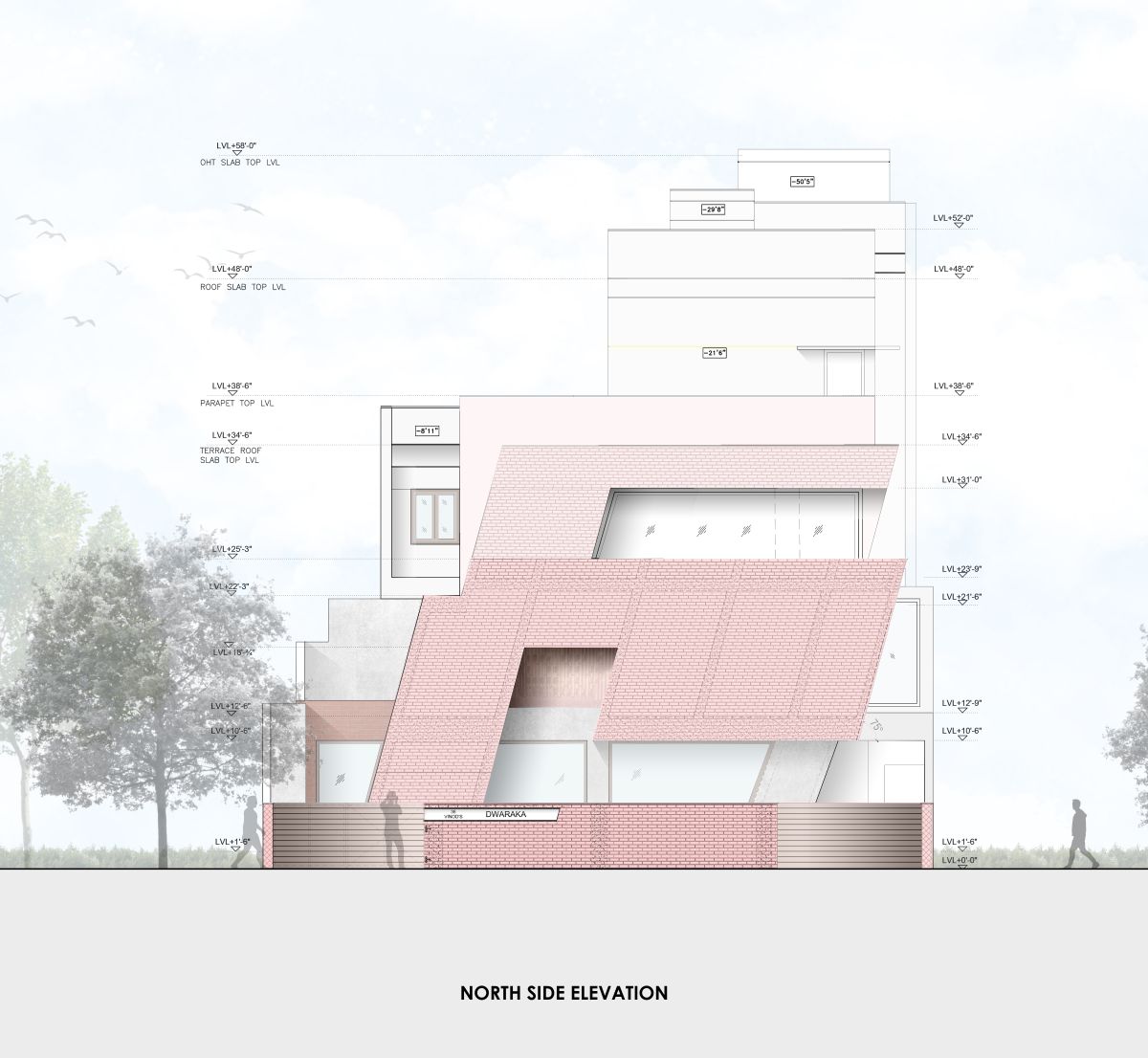
This sculpture has been positioned in a residential zone in Coimbatore, with a rustic yet futuristic parametric façade. Privacy being the most required factor, the façade gets a rustic double skin. And a search for newness with composite construction technique gave way for this. And this was a crucial step, coming out of the indigenous way and breaking into novelty.
VINOD RESIDENCE, at COIMBATORE, by Murali Architects Team

VINOD RESIDENCE, at COIMBATORE, by Murali Architects Team 

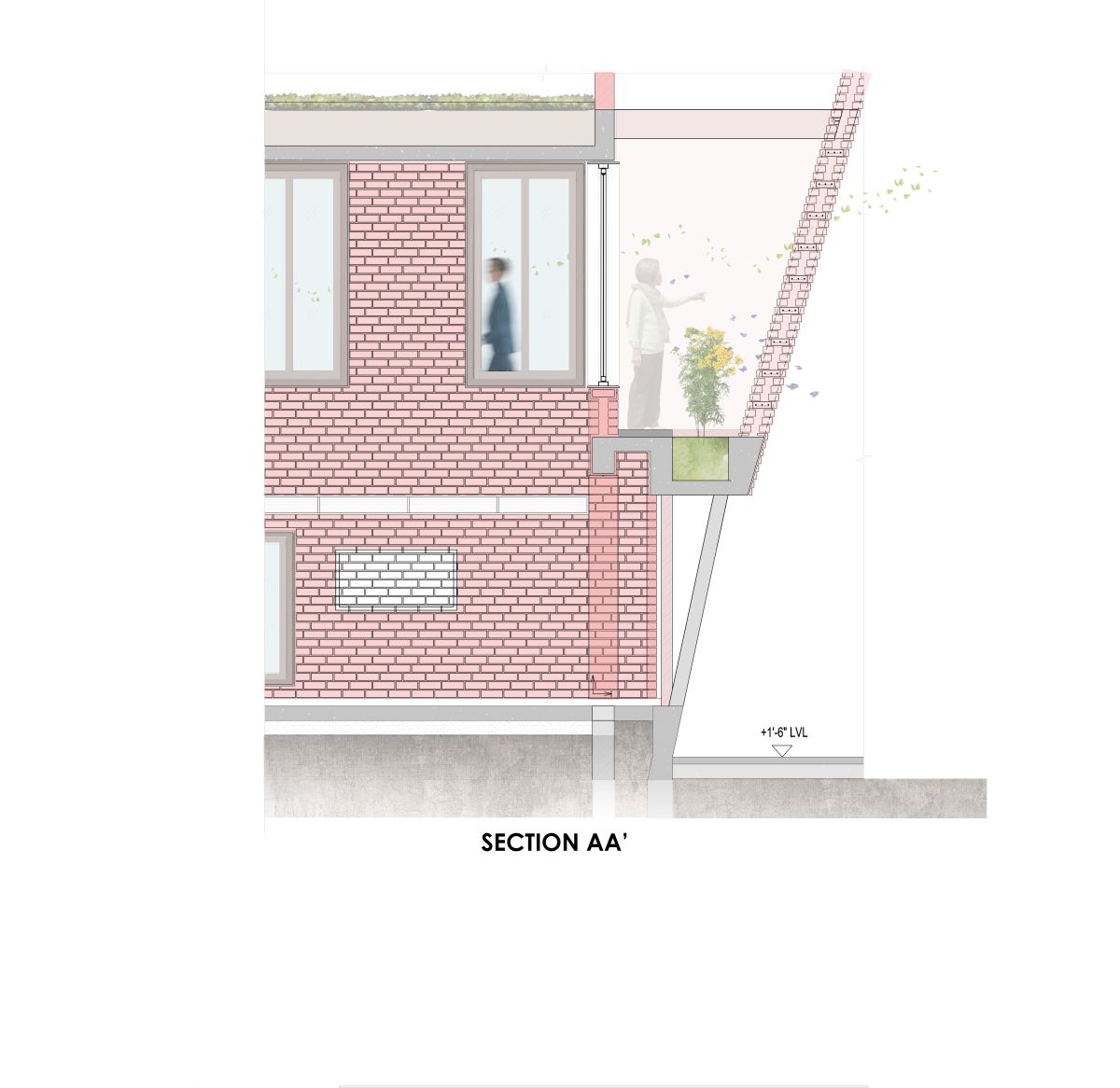
This sculpture has been positioned in a residential zone in Coimbatore, with a rustic yet futuristic parametric façade. Privacy being the most required factor, the façade gets a rustic double skin.

And a search for newness with composite construction technique gave way for this. And this was a crucial step, coming out of the indigenous way and breaking into novelty.

The façade brings out the dynamic side of the bricks. They unveil its frozen state in a new dimension, parallelly its sturdiness is also set out by its genuine exposed skin.

It is not just the façade that speaks out for itself, but also the well-ventilated interiors, where the play of light creates statements in every face of the inner brick walls.

This Introverted house cuts down the visual interaction with the outside, but it opens up spaces towards the inside into many pocket courts on various levels and a large central court that brings in a lot of sunlight and lights up the interior. It is a balanced mix of contemporary and traditional architecture, conceiving new values that respond to regionalism and a new future.

This house plays with Multi-level floors connecting through open courtyards and glass floors, creating spaces within a space.

The Massive inclined walls on the entrance welcome the user warmly and boldly.

On the Ground Floor, the double-height living room near the entrance is surrounded by green courts on two sides and gives a fresh welcoming feel to the user.

Leading to the dining is the central courtyard with puja and leveled inbuilt seating.

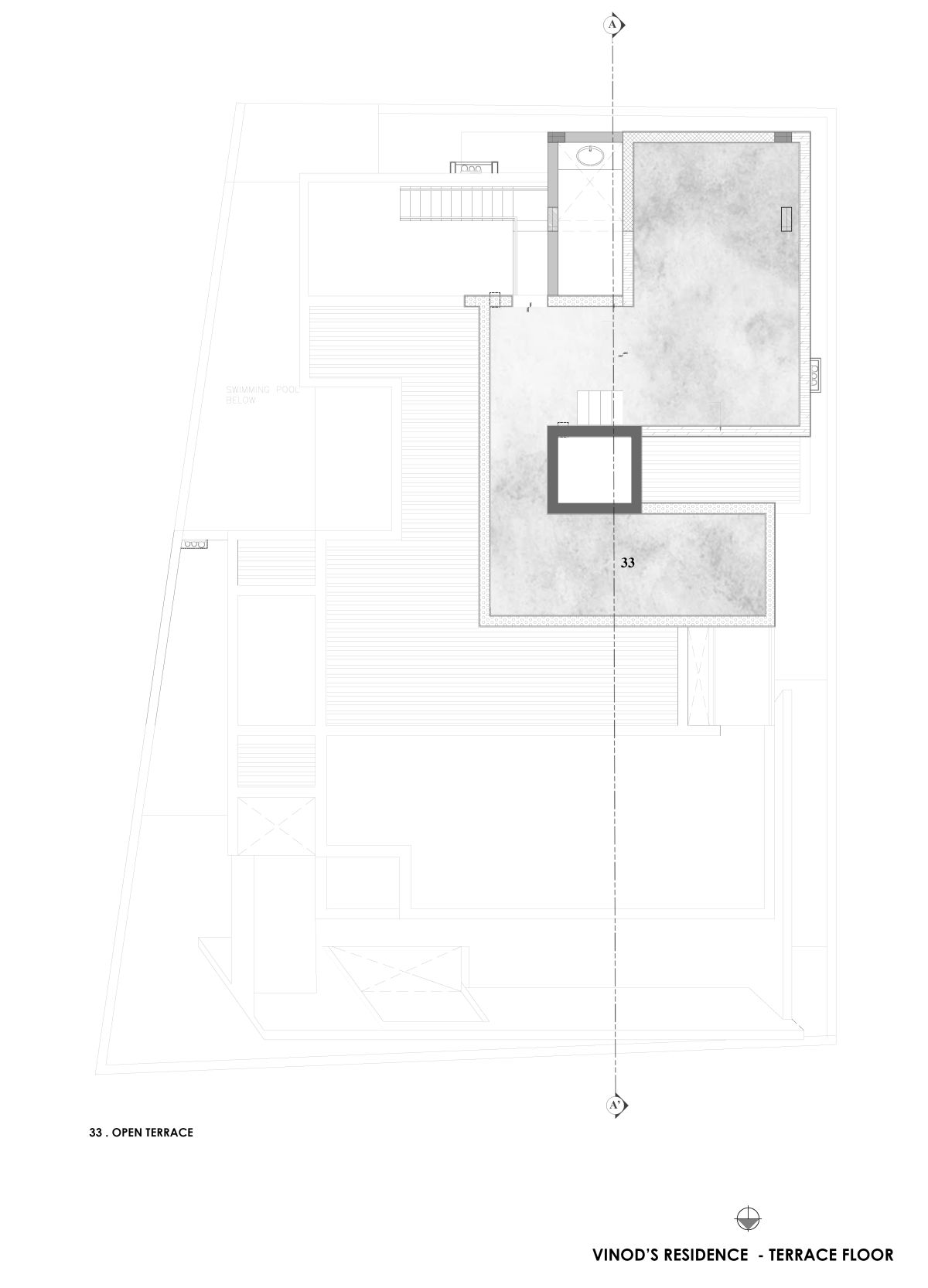
The Dining, Kitchen, and Gym area open out to a large sky court with a swimming pool, and this court adds a serene beauty and offers a lot of visual interconnections between spaces on various levels.

The mezzanine floor compasses a Guest room and a Family lounge for them to spend their Times together. Apart from this, there is a beautiful and serene reading nook lead from the mid-landing. As it is adorned with greenery and a swing, it makes it the right place to get lost in nature while reading.

The first floor accommodates two bedrooms. One is a Master bedroom with a landscaped court and Private balcony on either side and the other a Daughter’s bedroom with an elongated Bay window with a Featured inclined wall in the bedroom.

And this brick dream house stands up with numerous characters speaking out for themselves and a lot more to unfold in the future!

Drawings –


Client Name: Mr.Vinod

Location: Vinayakapuram , Coimbatore

Completion Year: 2020

Design Team: 

– Ar.Murali Murugan

– Ar.Seethapathi

– Ar.Deepak muthukumaran

– Mr.Sadham Hussain

– Mr.Bharthy

– Ar.Twinkle Esther

– Ar.Aruna Angelin

Picture courtesy:  Triple o pixel – Binsan Oommen

Leave a Reply

Your email address will not be published. Required fields are marked *

This site uses Akismet to reduce spam. Learn how your comment data is processed.

Recent

Khazans in Slavador du Mundo, Bardez, Goa. © Kusum Priya (1)

The Map That Was Never Yours
“If publicness is reduced to what is legally accessible, then these landscapes were never public to begin with.”
—V.V. Kusum Priya

As part of our editorial: What makes a space public?, V.V. Kusum Priya argues that Section 39A of Goa’s 2024 Town and Country Planning Act this isn’t just a legal issue, and that it’s the erosion of an unrecognised but collectively sustained commons, and a question of what “public” really means and who benefits from the legislations surrounding this.

Read More »
Life on the public spaces in downtown Calcutta. Source - Wikimedia


“Appropriation of public spaces is the genesis of political movements, of ideological apparatus, and of endangering the city’s multi-dimensional fabric.”
—Dr. Seema Khanwalkar

Dr. Seema Khanwalkar, explores how the public spaces in India are dynamic, contested areas shaped by informal economies, migration, and social negotiation. She reveals how the transactional activities democratise ownership of these spaces, while the political and religious appropriation increasingly displaces this organic vitality, creating exclusion and anxiety. This shrinking of inclusive public space threatens urban social fabric, yet remains largely absent from city planning conversations, making it a far deeper crisis than mere encroachment.

Read More »
Sen Kapadia


“… people like Sen [Kapadia] don’t really leave. They become the questions we continue to ask.”
—A Tribute by Nuru Karim

Nuru Karim reflects on his relationship with Sen Kapadia through three transformative “states of being”—as a student, as a studio colleague, and as an independent professional. To capture Sen’s essence, Karim draws on three powerful metaphors: a mountain (commanding yet silent), a banyan tree (generous and sheltering), and a river (unseen yet ever-present). Together, these images paint a portrait of a man whose quiet depth left an indelible mark on all who encountered him.

Read More »
Sen Kapadia

Nirbhaya Nirgun
“Sen [Kapadia] found his own light early. He followed it without apology and without detour, and never let anyone dim it.”
—A Tribute by Pinkish Shah

Pinkish Shah’s homage to Sen Kapadia, celebrates him as fearless and formless in both life and work. Intellectually rooted in Louis Kahn and Sri Aurobindo, Sen pursued architecture that transcended form toward essential silence. Known for his courage, he maintained quiet, unwavering independence throughout his career.

Read More »
Prof Shireesh Atmaram Deshpande

“Professor Shireesh Deshpande chose the far more difficult task: to mould young minds into thoughtful, responsible, and rooted architects.”—A Tribute by Sarbjit Singh Bagha

Sarbjit Singh Bagha shares his tribute to Prof. Shireesh Atmaram Deshpande (1934–2026), a pioneering figure in Indian architectural education who passed away on 10 April 2026 at 91. Known affectionately as “Dada,” he spent nearly four decades at VNIT Nagpur, founding India’s first M.Arch. programme and introducing innovative pedagogy. He served as President of the Indian Institute of Architects (1992–1994). Choosing teaching over professional practice, he shaped generations of architects.

Read More »
View of the setting, Asiad. Credits: Meaningful Design Labs

Brutalist India | Asiad Tower, New Delhi

As part of Brutalist India series Bhawna Dandona writes about the Asiad Tower on Khel Gaon Marg in New Delhi, originally designed as a revolving restaurant, but now used as a venue for functions and weddings. The structure stands in close proximity to the Asiad Village and Siri Fort Complex and was designed by the Architectural Department of the Delhi Development Authority.

Read More »

Featured Publications

New Release

Stories that provoke enquiry into built environment

www.architecture.live

Subscribe & Join a Community of Lakhs of Readers

We Need Your Support

To be able to continue the work we are doing and keeping it free for all, we request our readers to support in every way possible.

Your contribution, no matter the size, helps our small team sustain this space. Thank you for your support.

Contribute using UPI

Contribute Using Cards